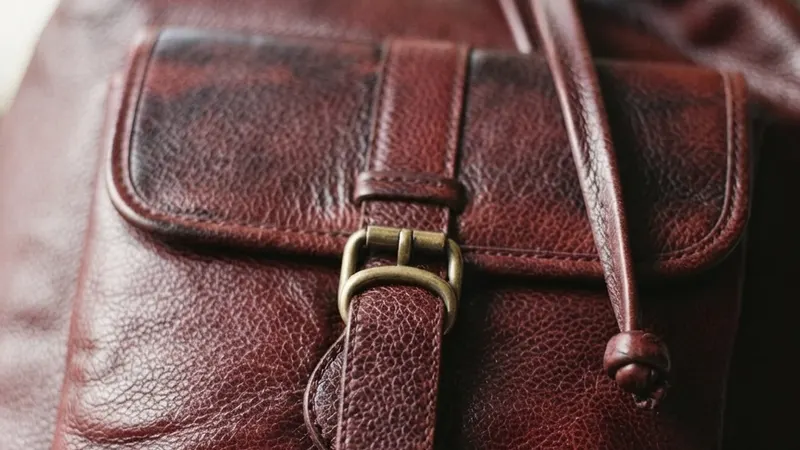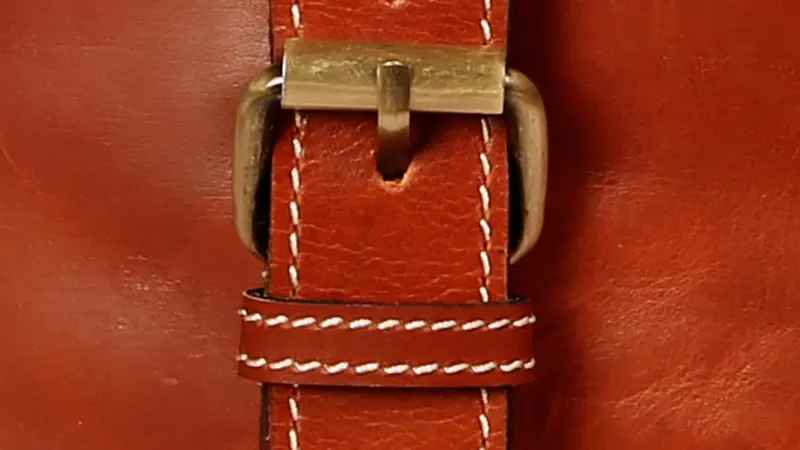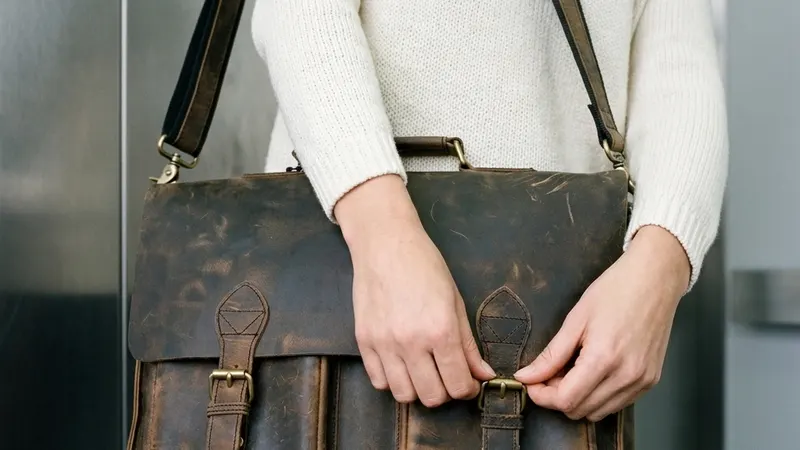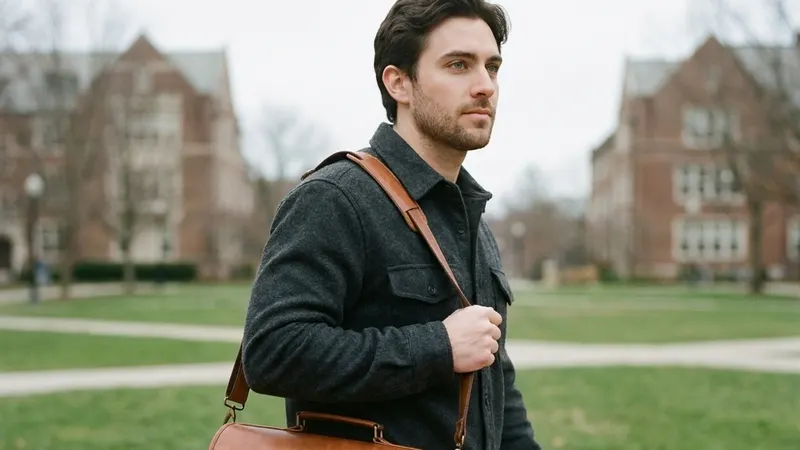
Leather is one of the oldest materials people have worked with. Long before metal tools or woven cloth, people were using the hides of the animals they hunted to keep warm and to carry what they needed. The bags on a store shelf today sit at the end of that long story.
The earliest leather
A raw hide does not last. Left alone it dries hard or rots. Early people found ways to slow that down: drying hides, rubbing them with fat, and smoking them over a fire. These methods made hides softer and longer lasting, and they were used for clothing, shelters, containers and straps.
Leather objects from ancient Egypt have survived for thousands of years in dry tombs, including sandals, straps and bags. One of the oldest known leather shoes, found in a cave in Armenia, is more than 5,000 years old.
Tanning with bark and plants
The big step was tanning. People learned that soaking hides in water with bark, wood or leaves changed them for good. The tannins in the plants bind to the fibres of the hide, so it no longer rots and stays flexible. This is vegetable tanning, and for most of history it was the main way leather was made.
It was slow work. Hides could sit in tanning pits for months. Tanneries were usually placed at the edge of town, near water and away from homes, because of the smell.
Leather in everyday life
By Roman times leather was everywhere: sandals and boots, belts, saddles, shields, tents and pouches. Through the Middle Ages, leather workers organised into guilds in many European cities, and leather was used for book bindings, buckets, bottles and bags.
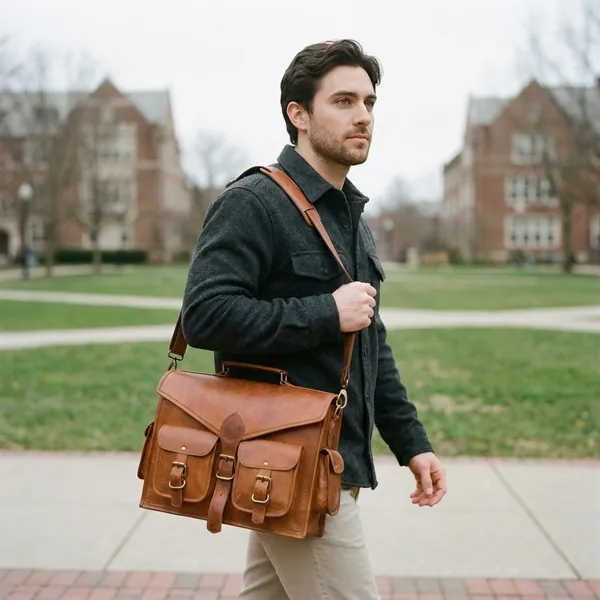
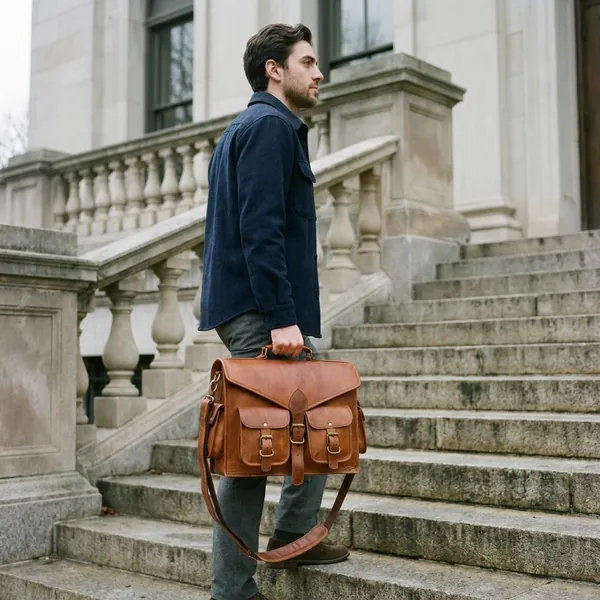
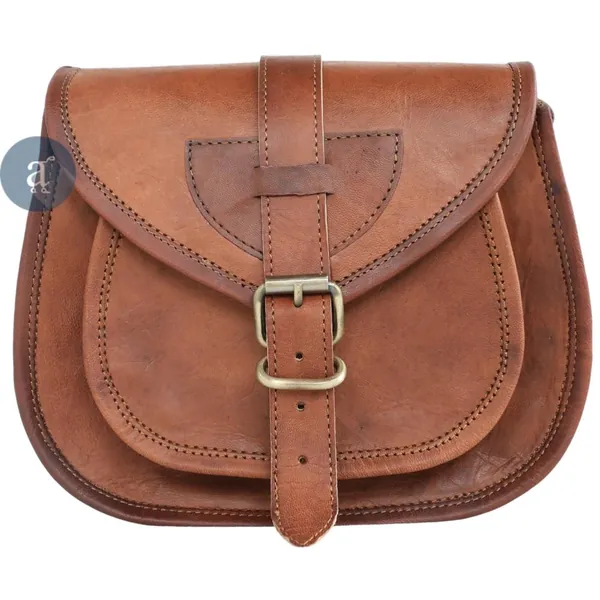
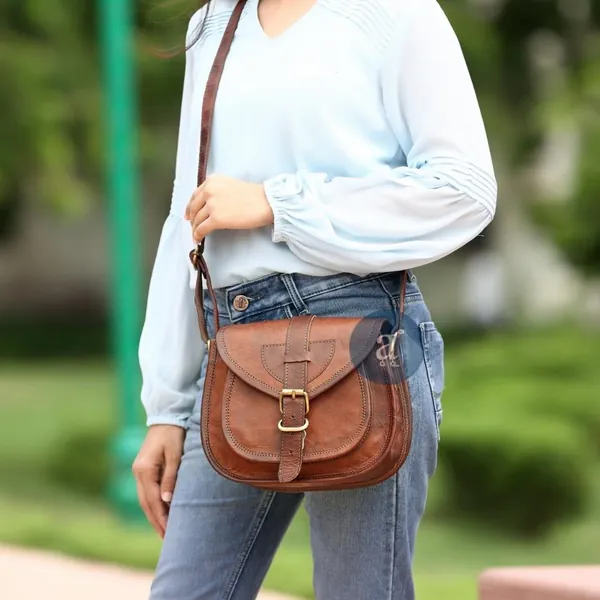
Bags for carrying documents, tools and money took many forms. The satchel, a flat bag with a flap and a long strap, became common for students and messengers, and it is still the shape behind many messenger bags today.
Chrome tanning changes the industry
In the second half of the 1800s, chemists worked out how to tan hides with chromium salts. A two-bath chrome tanning process was patented in the United States in 1884, and the method spread quickly. Chrome tanning took days instead of months, and the leather it produced was softer, lighter and more resistant to water.
Today most of the world’s leather is chrome tanned. Vegetable tanning is still used, often for leather that should be firm or should change colour strongly with age. Our guide to the main types of leather tanning explains the differences.
Leather bags today
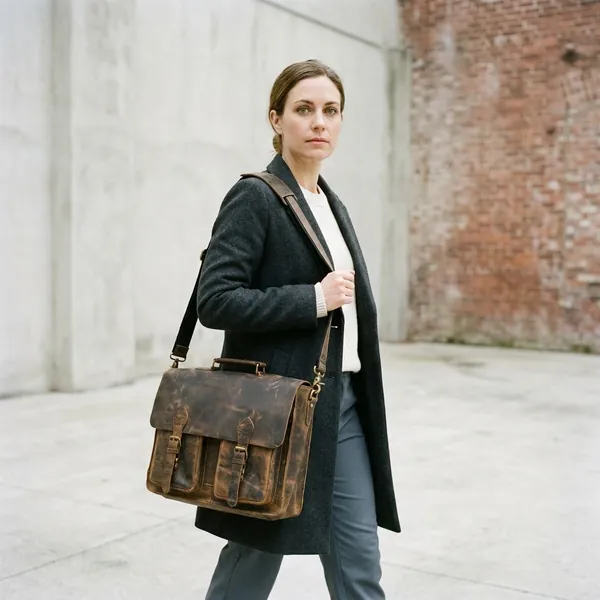
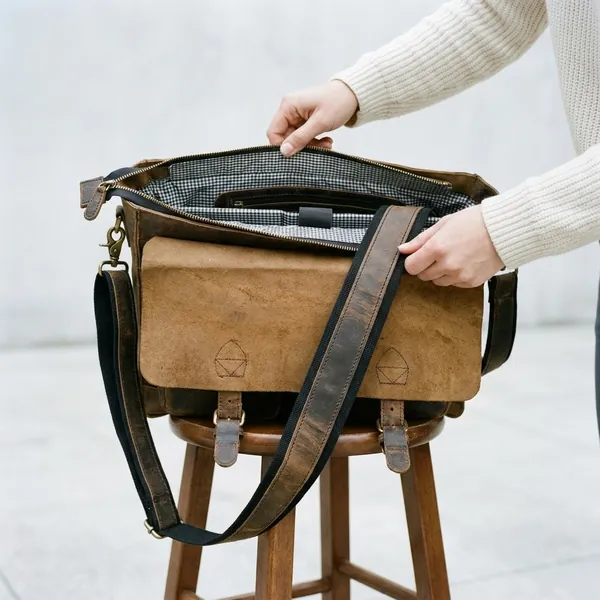
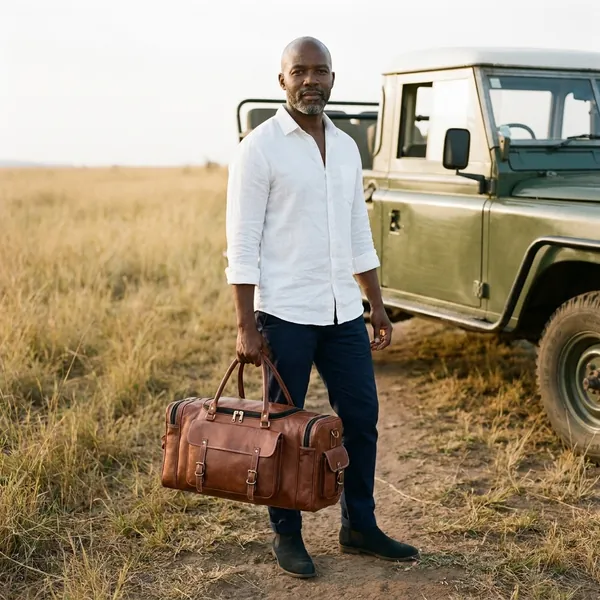
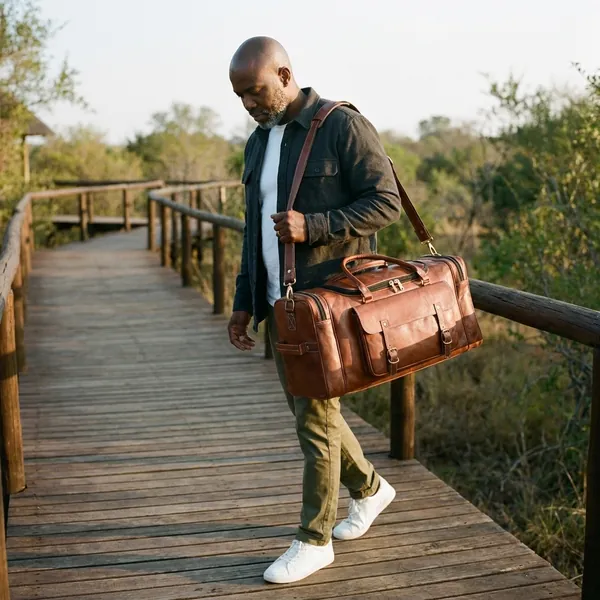
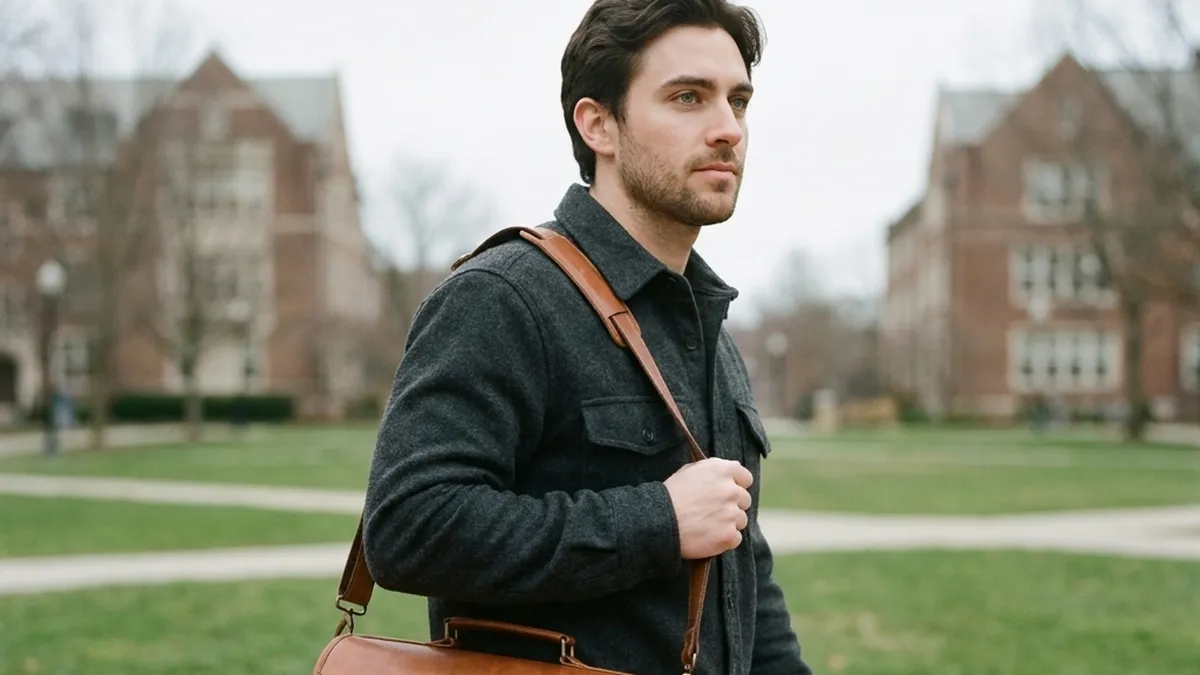
The briefcase, the duffle, the backpack and the tote all have roots in older leather bags made for messengers, travellers and workers. What has changed is what goes inside them. A modern leather messenger bag still has the flap and strap of an old satchel, but now with a padded laptop sleeve and pockets for a phone and charger.
The leathers have changed too. Our bags are made in goat leather, which is lighter and softer, and top-grain buffalo leather, which is thicker and more rugged. If you would like to see how they compare for your store, request samples and a quote.