Tanning is the step that turns a raw animal hide into leather. Without it, a hide either rots or dries stiff. The method used changes how the finished leather looks, feels and ages, so it is worth knowing the main types when you choose bags to sell.
Chrome tanning
Chrome tanning uses chromium salts. It was developed in the late 1800s and is now used for most of the world’s leather. It takes a day or two rather than weeks.
- Feel: soft and supple.
- Look: holds an even colour, including bright and dark dyes.
- Ageing: changes slowly. It stays close to how it looked when new.
- Good for: everyday bags, purses and totes that should stay light and handle a little rain.
Vegetable tanning
Vegetable tanning uses tannins from bark, wood, leaves and fruit. It is the traditional method and it is slow, often taking weeks.
- Feel: firmer, with more body.
- Look: natural, warm tones.
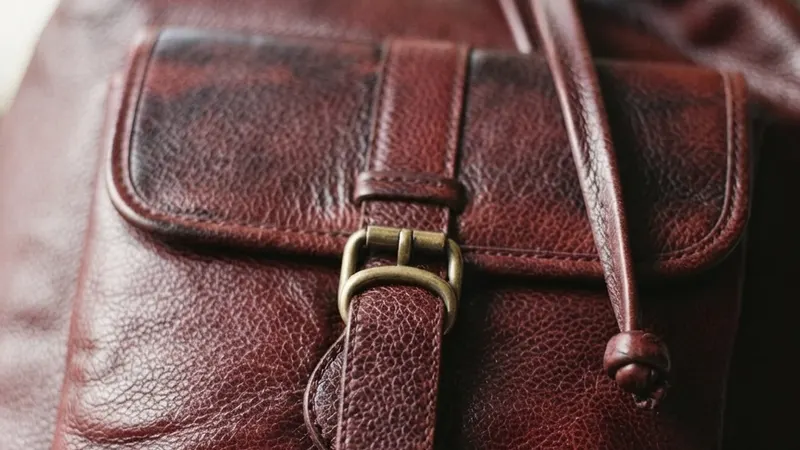
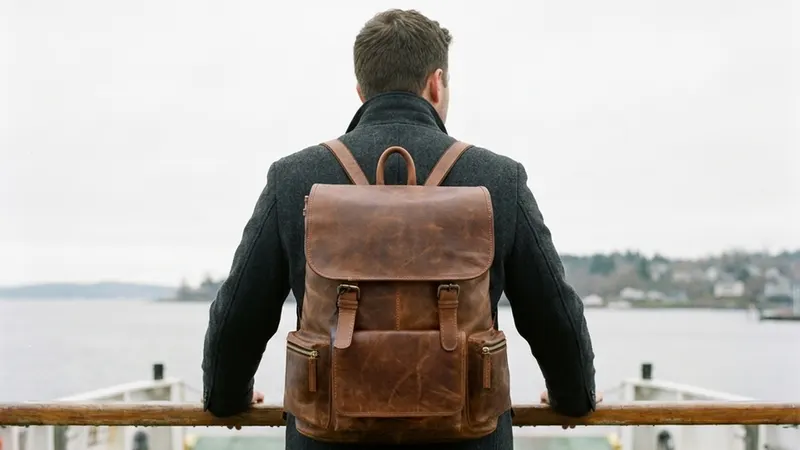
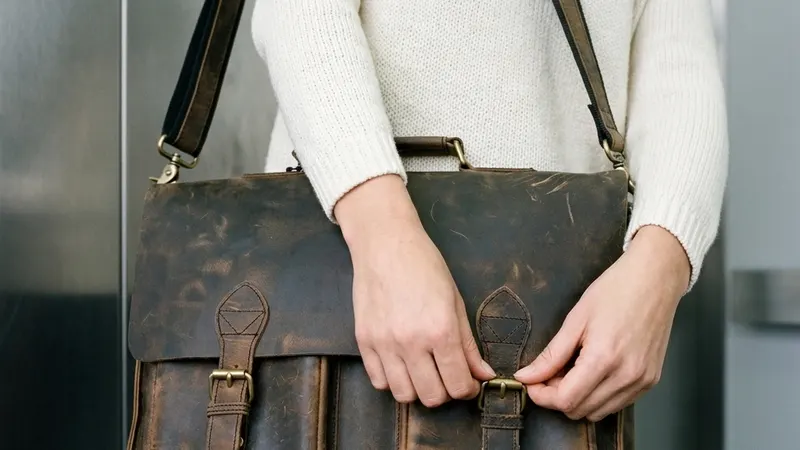
- Ageing: darkens and develops a strong patina with handling and light.
- Good for: structured bags, briefcases, belts and straps.
Vegetable-tanned leather marks more easily with water and scratches, which some customers love and some do not.
Combination tanning
Many leathers are tanned with chrome first and then retanned with vegetable tannins, or the other way round. This gives a balance: softer than pure vegetable-tanned leather, with more character than pure chrome-tanned leather. A lot of leather used in bags is made this way.
Oil and wax finishes
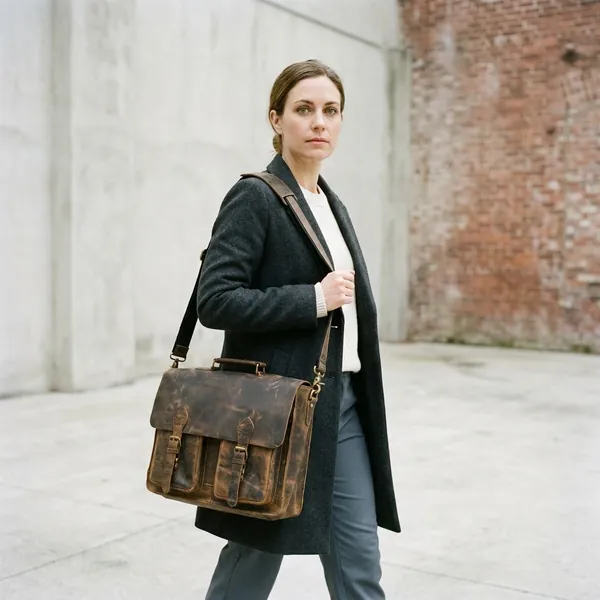
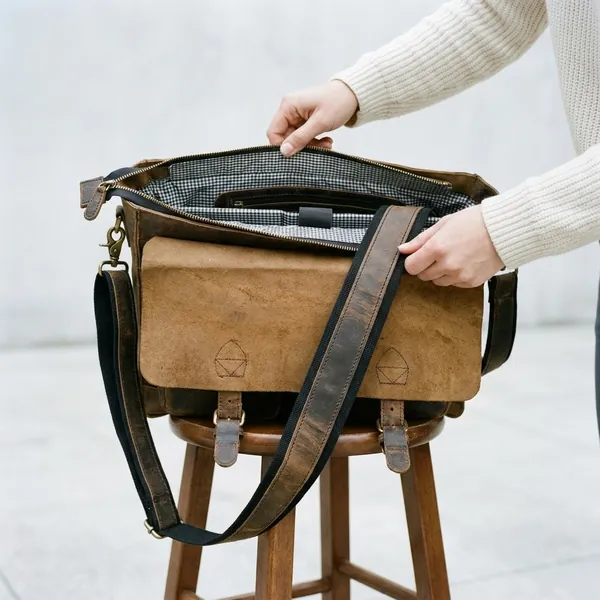
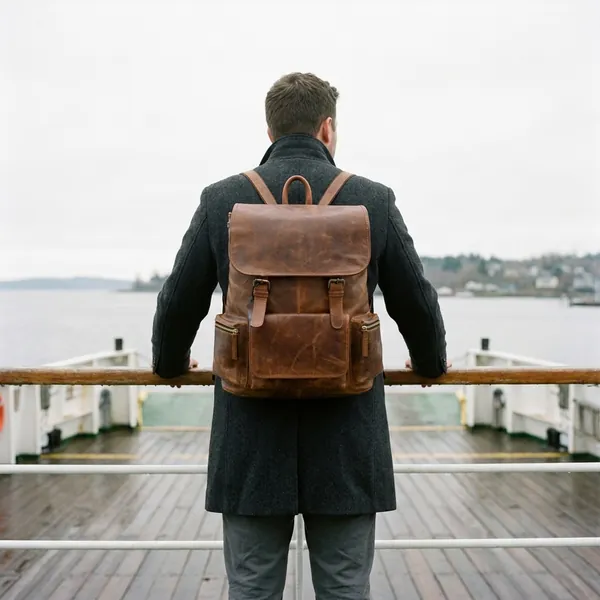
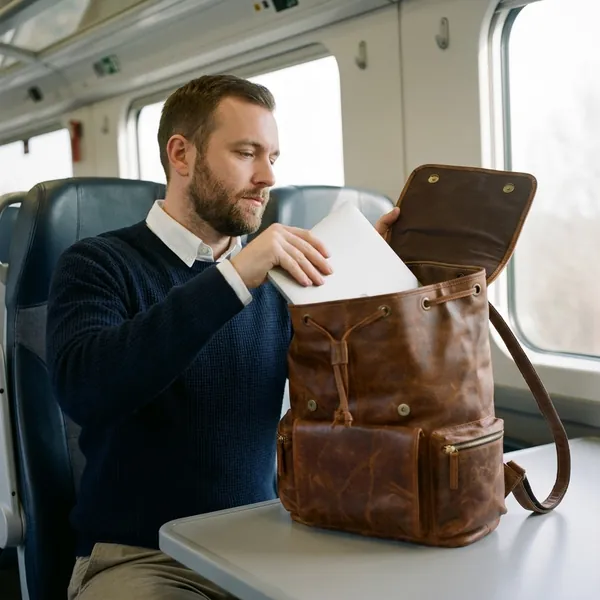
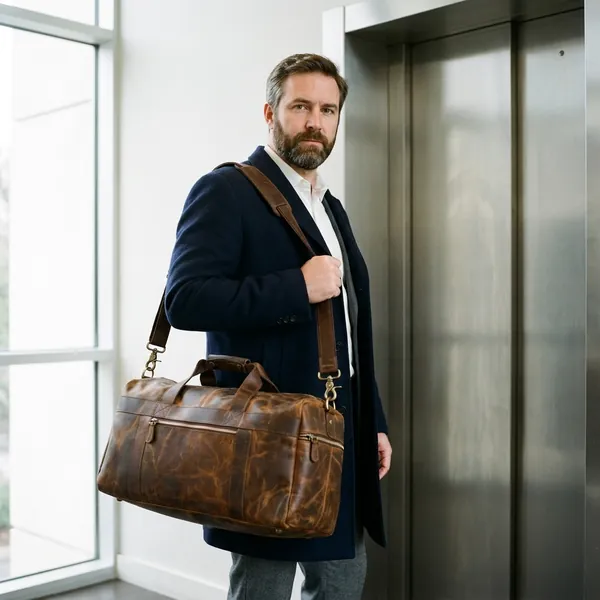
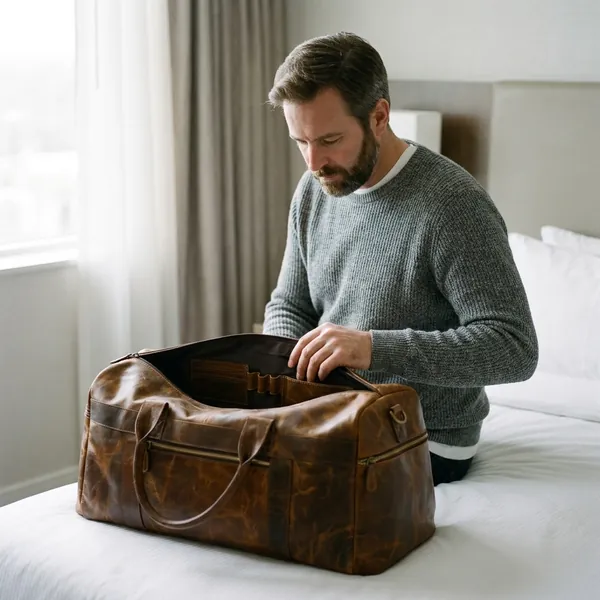
Oil and wax are usually applied after tanning rather than being a tanning method of their own. They soak into the leather and give it a rugged, slightly waxy feel. Leather finished this way often shows a “pull-up” effect: the colour lightens where it is bent and darkens again when smoothed. Messenger bags and duffles with a vintage look often use it.
Other methods you may hear about
- Aldehyde tanning gives pale, soft leather and is used where chrome is not wanted.
- Alum tawing is an old method that gives white, soft leather, now rare.
- Brain tanning and smoke tanning are traditional methods still used for some buckskin.
These are rarely used for wholesale bags.
What to ask your supplier
Tanning is only one part of how leather turns out. The animal, the part of the hide, the dye and the finish all matter too. When you compare suppliers, ask:
- Which leather is each bag made from?
- How is it tanned and finished?
- How will it look after a year of use?
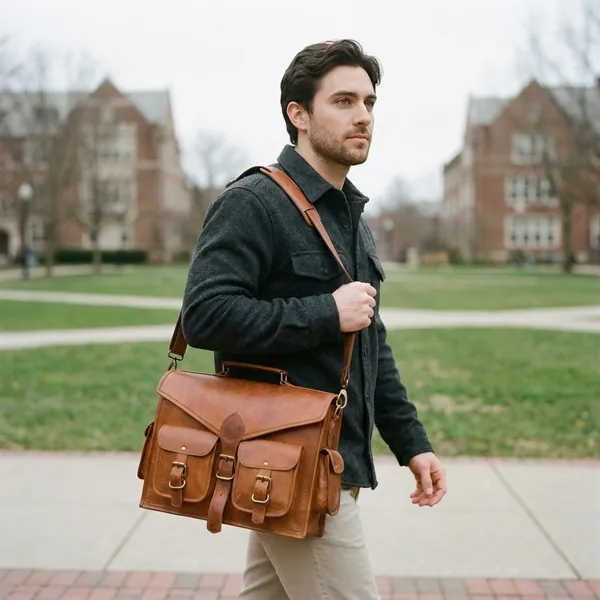
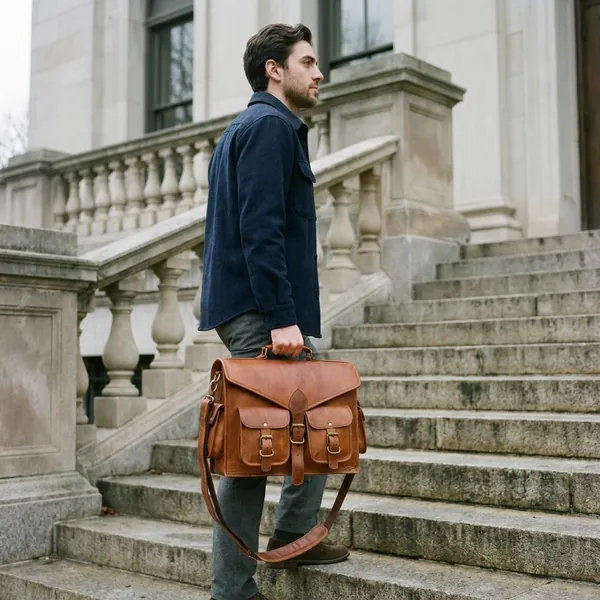
Our bags are made in goat leather and top-grain buffalo leather. If you want to see how either one ages, ask for samples with your quote. For the background on how tanning developed, read our short history of leather, and to make leather look older on purpose, see how to age leather for a vintage look.