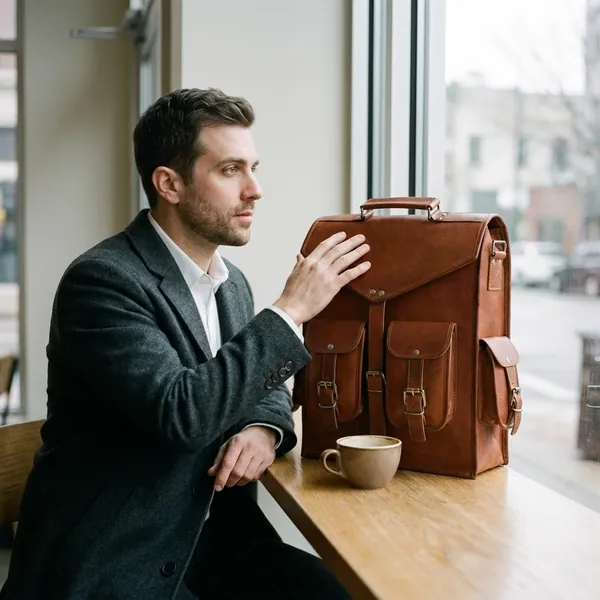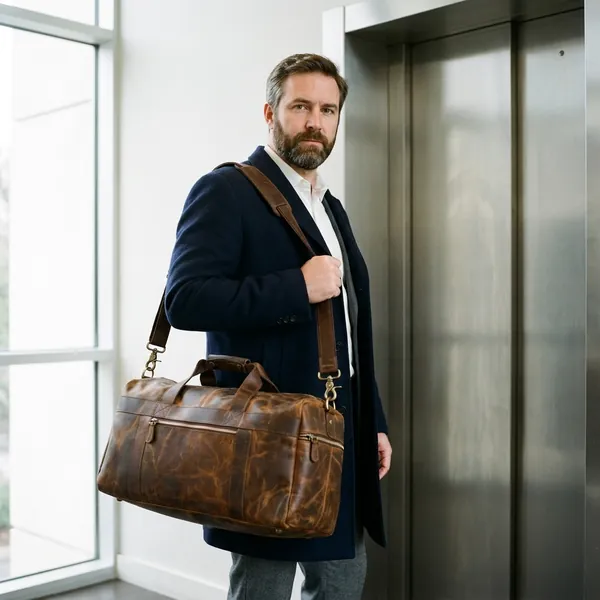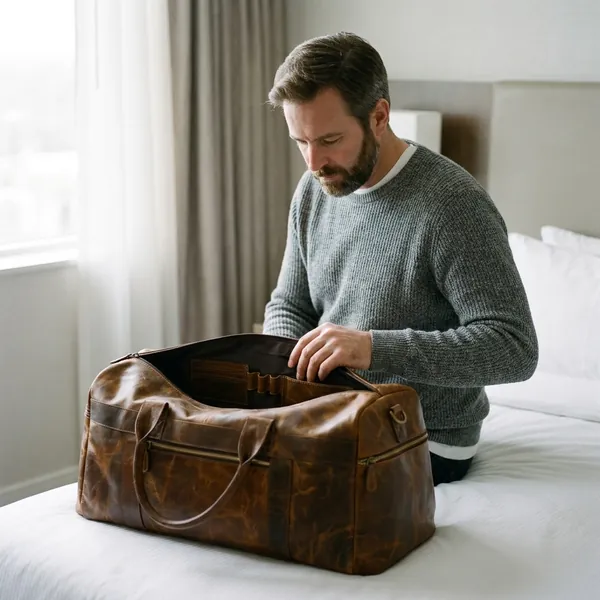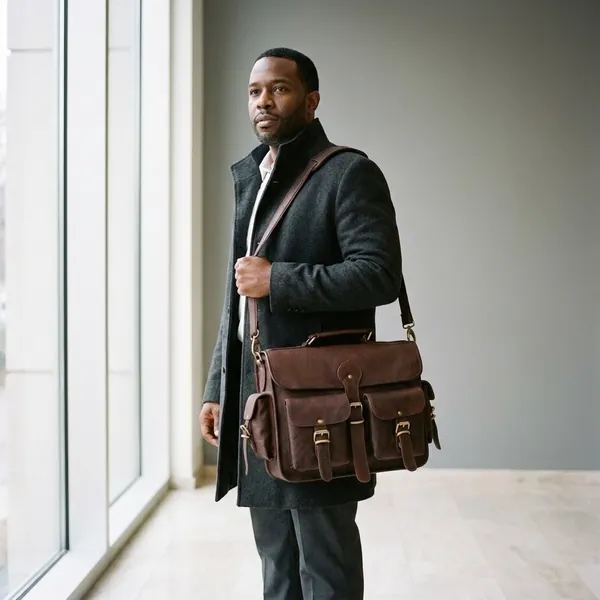
A bag trading business buys bags in bulk and sells them on. You might sell to shoppers through an online store, to other retailers, or to companies buying gifts. It needs less space and money to start than many businesses, but it rewards careful planning.
1. Research the market
Before you buy anything, find out what sells.
- Look at demand. Which bags do people search for and buy in your area or niche? Work bags, travel bags and everyday totes are steady sellers.
- Look at competitors. What do they sell, at what prices, and what are customers asking for that they do not offer?
- Look at trends, but do not chase them. Classic leather styles sell year after year.
2. Choose your customers
Decide who you are selling to, because it changes everything else.
| Customer | What they want |
|---|---|
| Shoppers | A good range, good photos, fast delivery |
| Other stores | Reliable quality, steady supply, fair trade prices |
| Companies | Branded bags, consistent quality, delivery by a fixed date |
3. Find a supplier
Your supplier is the foundation of your business. Compare three to five, and for each one check:
- The leather and quality, on samples you have handled yourself
- The minimum order quantity
- Branding options
- Lead time and shipping methods
- Payment terms and what happens if bags do not match the sample
Our guide to finding a wholesale leather bag supplier you can trust has a full checklist.
4. Build your first stock
Start small. Pick a handful of styles that suit your customers, in the colours that sell most (usually brown and black). Reorder what sells and drop what does not. A supplier with a low minimum order lets you do this without tying up all your cash.
5. Price your bags
Work out your landed cost: wholesale price, plus shipping, customs duties and branding. Then add your costs (marketplace fees, packaging, marketing, rent) and your margin. Check your price against competitors to make sure it is realistic.
6. Build a brand
A brand is what makes customers buy from you rather than from someone else. Choose a name, a look and a promise, and keep them consistent. Having your logo embossed on the bags makes them yours. Our guide on how to market a bag brand covers this in more detail.
7. Choose your sales channels
Most successful traders use more than one:
- Your own online store, where you keep the most margin.
- Marketplaces, for reach, at the cost of fees.
- Social media, for showing bags in use and building a following.
- Pop-ups and markets, where customers can touch the leather.
- Corporate sales, selling branded bags to companies for staff and client gifts.
8. Look after customers
Answer questions quickly, pack bags well, and make returns simple. Include a short care card with every bag. Repeat customers and referrals are the cheapest sales you will ever make.
9. Grow carefully
Track which bags sell and your margin on each. Add new styles a few at a time, and grow into new channels once the first one works.
To build your first range, see our wholesale leather briefcases and other collections, or request a wholesale quote. Orders start at 10 bags per design.