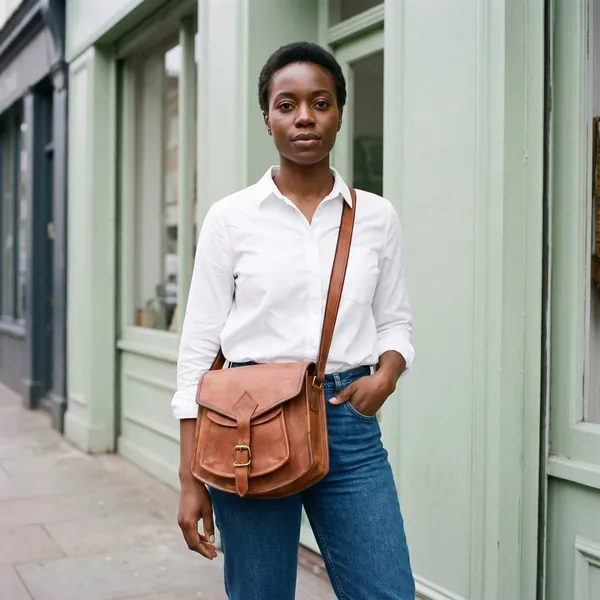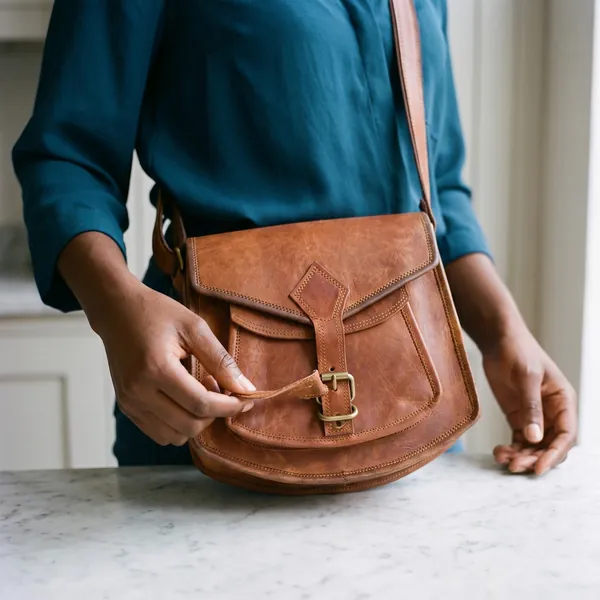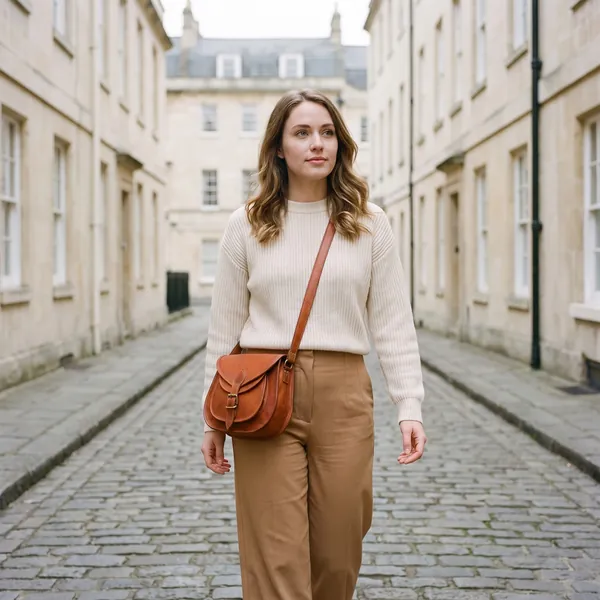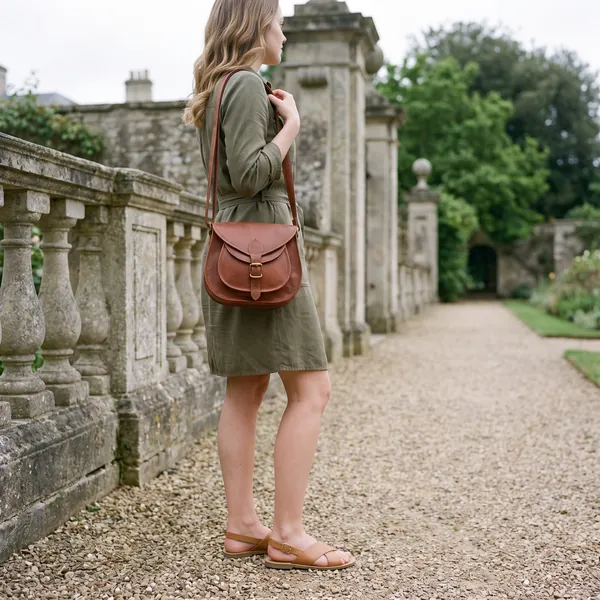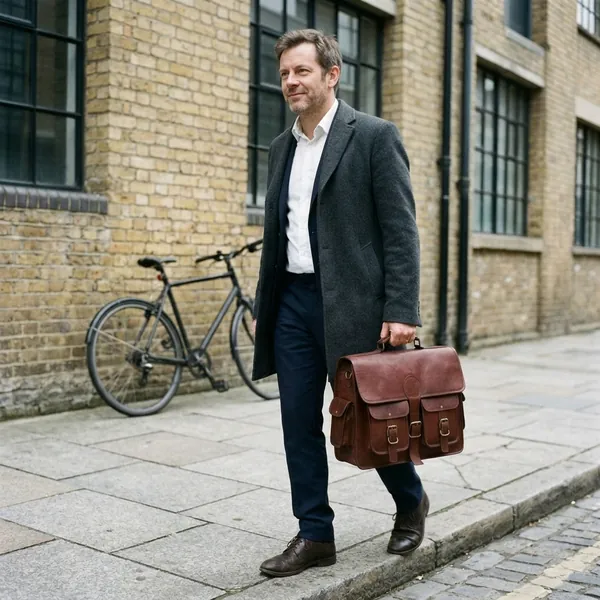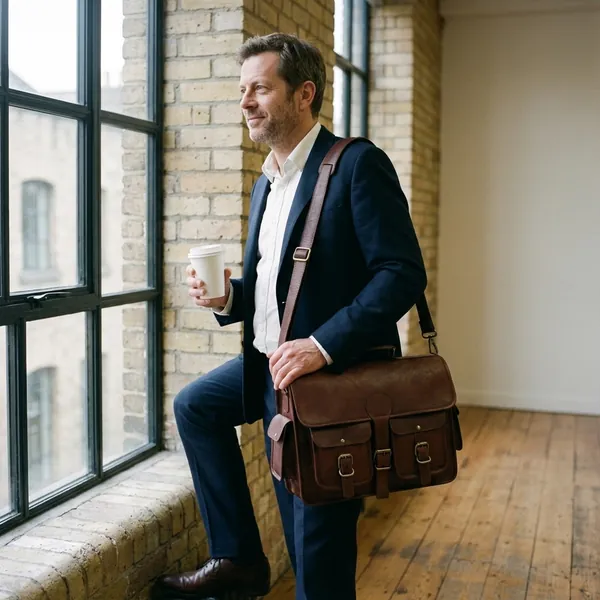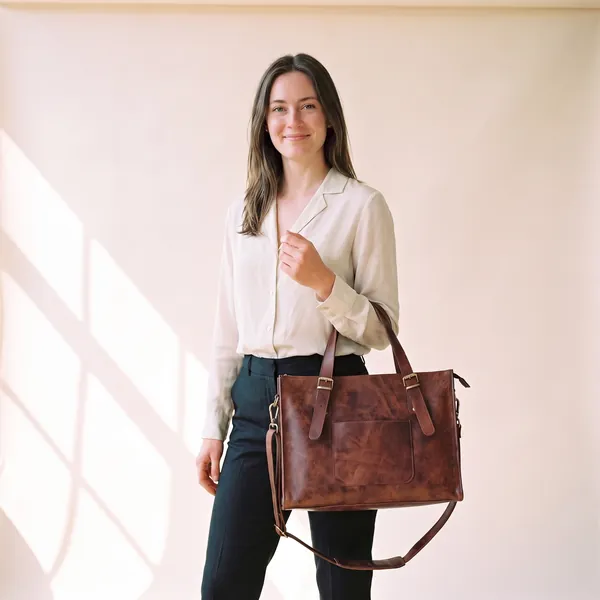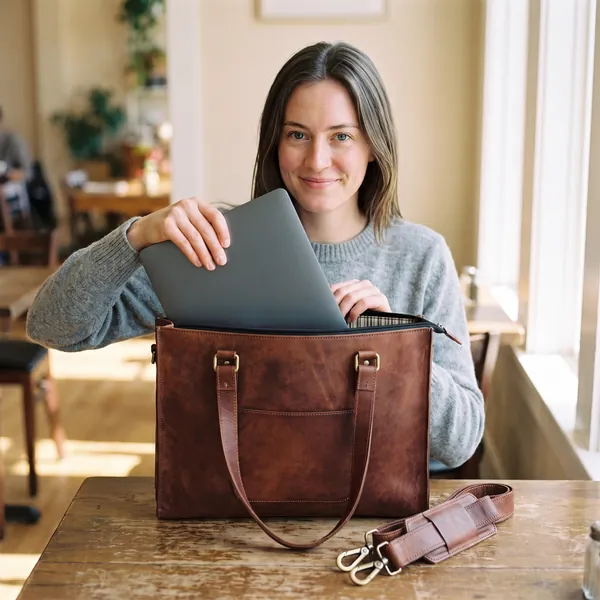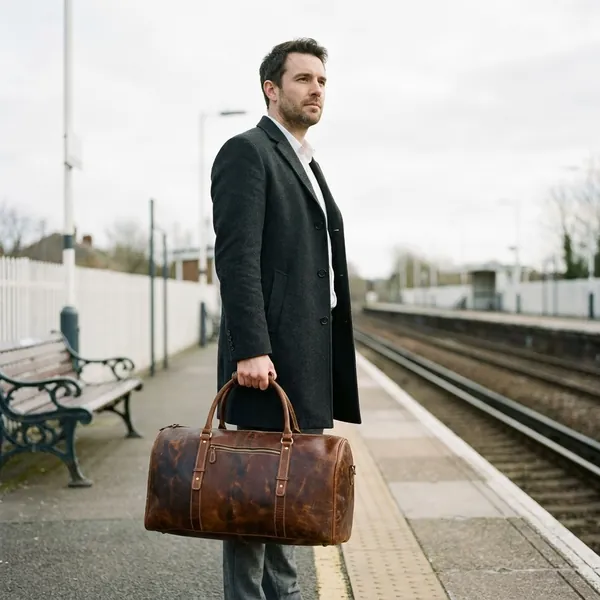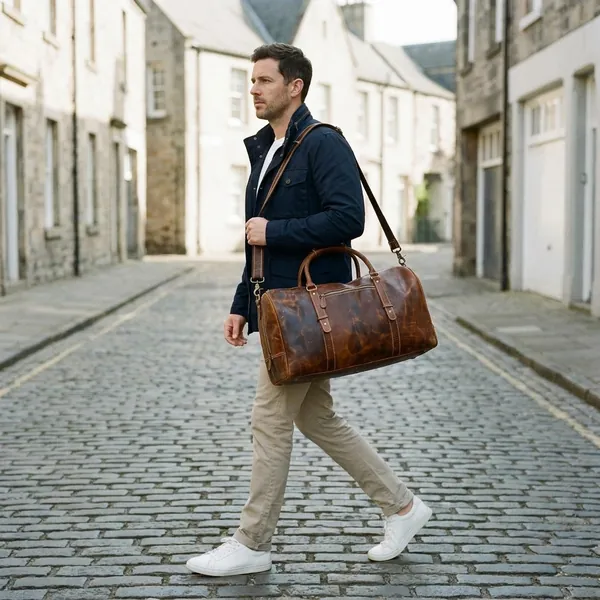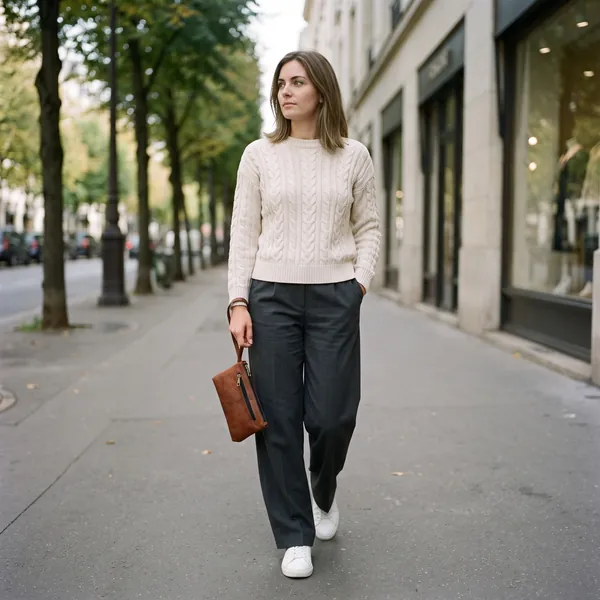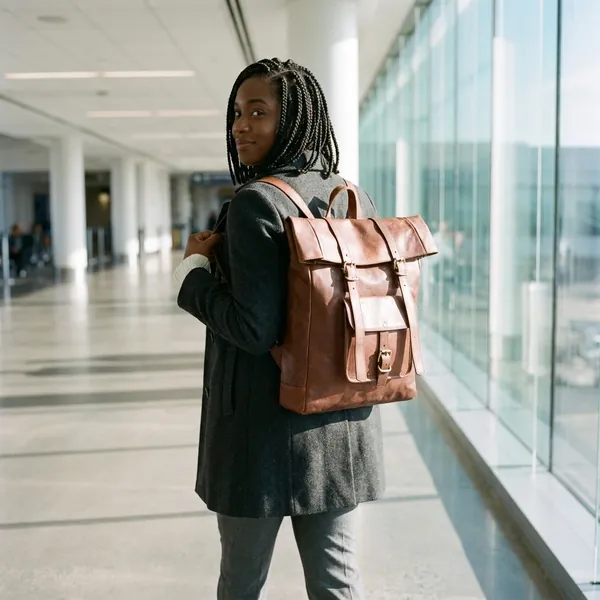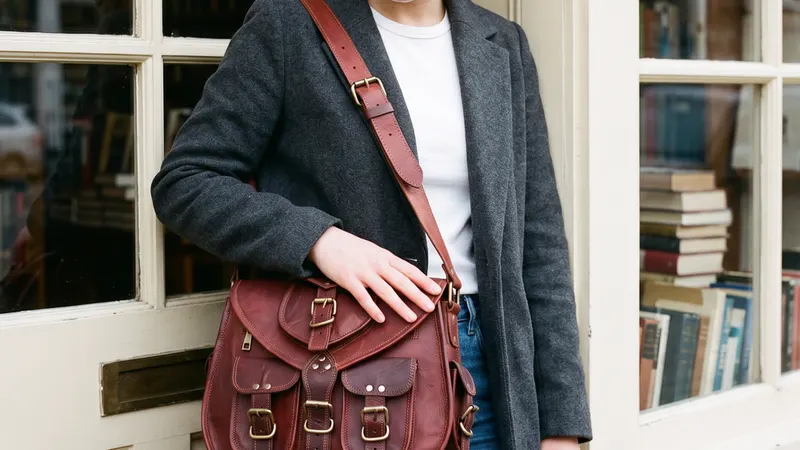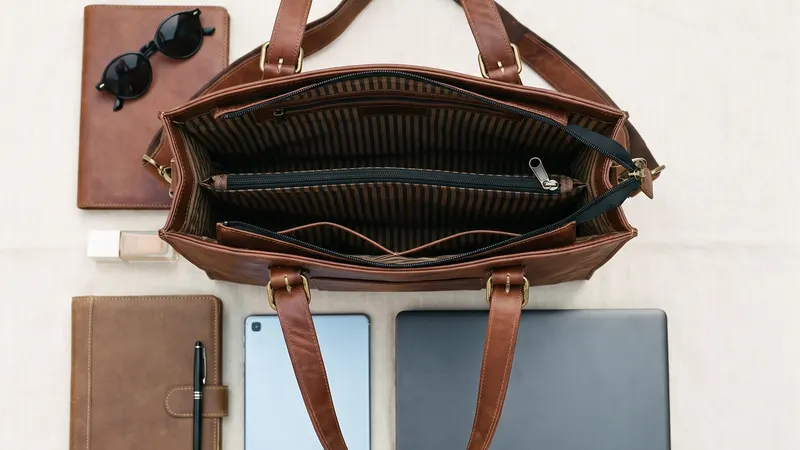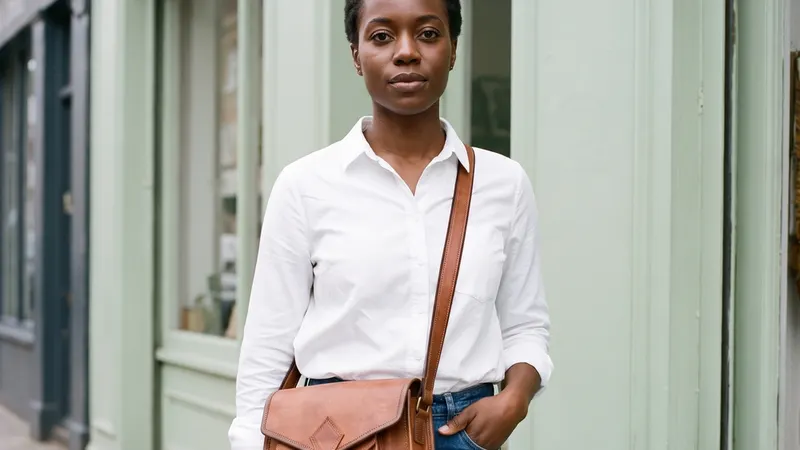
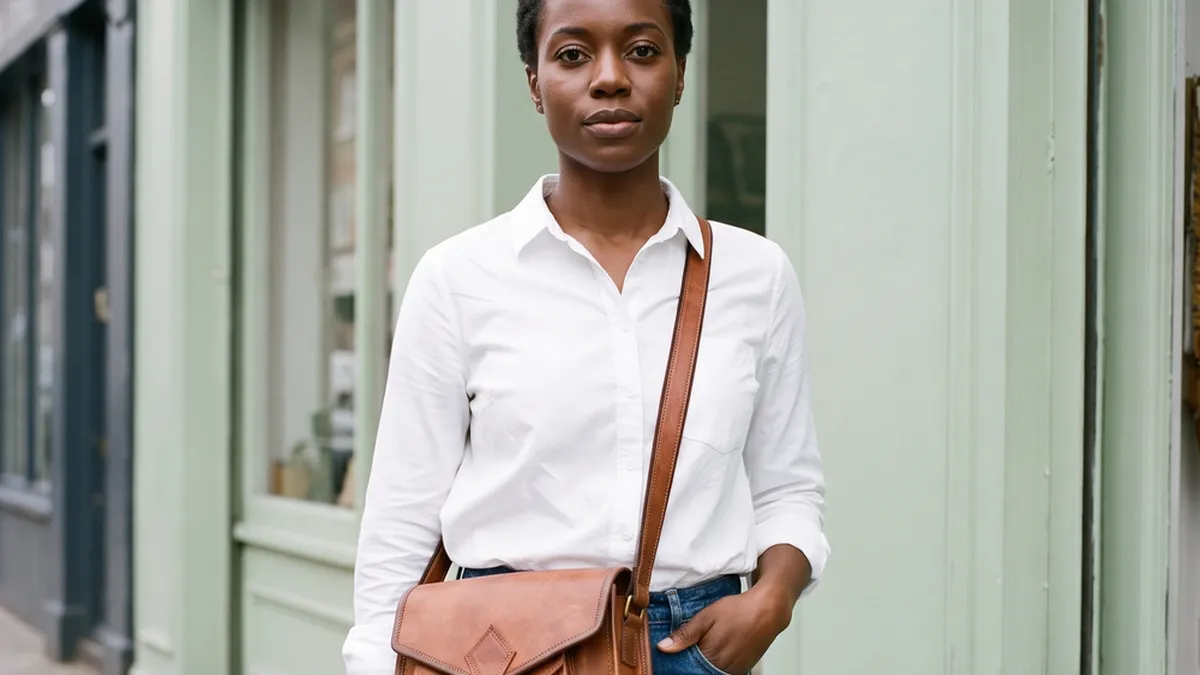
Bags are one of the steadiest categories in retail. People need them for work, travel and everyday life, and many buy more than one. Starting a bag store is very doable, but the stores that last are the ones that plan their range, their costs and their customers before they open.
1. Choose your niche
“Bags” is too broad. Decide who you are for. For example:
- Work bags: briefcases, laptop messengers and work totes for office workers.
- Travel bags: duffles, backpacks and accessories for travellers.
- Leather accessories: slings, purses and small goods for gift shoppers.
- Corporate gifting: branded bags for companies.
A clear niche makes every later decision easier, from stock to marketing.
2. Choose your location
For a physical store, look for foot traffic from your target customers: office districts for work bags, tourist streets for travel and gifts. Check rent against expected sales, not just the size of the space. Many owners start with a pop-up stall, a market pitch or an online shop first.
3. Plan your first stock
Start with a focused range and reorder what sells.
| Range | What to include |
|---|---|
| Core sellers | Two or three styles in your niche, in brown and black |
| Price spread | A few entry-price pieces, some mid-range, one or two statement bags |
| Add-ons | Small items near the till, such as slings, purses and toiletry bags |
4. Choose your suppliers
Your supplier decides your quality and your margins. Order samples, check the leather and stitching, and get terms in writing. Our guide on finding a wholesale leather bag supplier you can trust walks through each step.
Low minimum orders matter when you are starting. They let you test several styles without putting all your cash into one.
5. Price for profit
Work out your landed cost for each bag: the wholesale price plus shipping, customs duties and any branding. Then set a retail price that covers your rent, staff and other costs and leaves a margin. Many bag stores aim for a retail price around two to two and a half times landed cost, but check what works for your costs and your market.
6. Build your brand
Your name, logo, store design and packaging should all say the same thing about who you are for. Having your logo embossed on your own bag line turns a plain bag into your product. Read how to market a bag brand for more.
7. Display bags well
Customers want to pick a bag up, open it, feel the leather and try it on. Display bags at hand height, stuffed so they hold their shape, with a mirror nearby. Group them by use (work, travel, weekend) rather than by colour.
8. Look after your customers
Explain care, offer a simple returns policy, and follow up. Happy customers come back for a second bag and send their friends.
9. Track your numbers
Every month, check which styles sell, which sit, and your margin on each. Reorder winners, drop slow sellers and try one or two new styles each season.
Ready to plan your first range? Browse our wholesale collections or send us your list for a quote. We reply within 48 hours.